Understanding MOQ: Minimum Order Quantities Explained | ChinaShoe.cc
Master MOQ negotiations with Chinese shoe manufacturers. Learn how minimum order quantities work, strategies to reduce MOQs, and real examples from the footwear industry.
Procurement playbooks
MOQ benchmarks, lead-time expectations, factory selection criteria, and the negotiation playbooks that work in the Chinese footwear market.
19 articles
Master MOQ negotiations with Chinese shoe manufacturers. Learn how minimum order quantities work, strategies to reduce MOQs, and real examples from the footwear industry.
Essential tools, templates, and resources for footwear sourcing: inspection checklists, supplier evaluation forms, and calculation tools.
Complete guide to shipping shoes from China. Covers freight options, documentation, customs clearance, and cost optimization strategies.
The complete guide to developing shoe samples with Chinese manufacturers. Learn the sample development process, costs, timelines, and how to iterate effectively.
Comprehensive quality control guide for footwear sourcing: inspection methods, acceptance criteria, and quality standards for working with Chinese manufacturers.
Comprehensive quality control procedures for footwear orders. Learn inspection stages, defect classifications, and how to conduct effective quality checks.
Master footwear supplier negotiation: communication, building relationships, contract terms, and strategies for getting the best outcomes.
Master the art of negotiating minimum order quantities with Chinese footwear suppliers. Learn strategies to reduce MOQs, understand pricing factors, and build supplier relationships.
Complete guide to footwear shipping and logistics: incoterms, shipping methods, customs, documentation, and cost optimization.
A comprehensive guide to verifying and vetting footwear suppliers in China. Learn factory audit techniques, credential verification, and how to identify red flags before committing to orders.
This comprehensive guide walks you through the entire process of sourcing footwear from Chinese manufacturers, from initial research to final delivery.
Essential guide for beginners: how to start sourcing footwear from China, understand the market, and prepare for your first order.
How to evaluate and audit footwear factories in China: capabilities assessment, compliance verification, and supplier selection criteria.
Factory audits are essential for verifying supplier capabilities, ensuring social compliance, and protecting your brand reputation. This comprehensive guide covers audit standards, processes, and best practices for footwear sourcing in China and beyond.
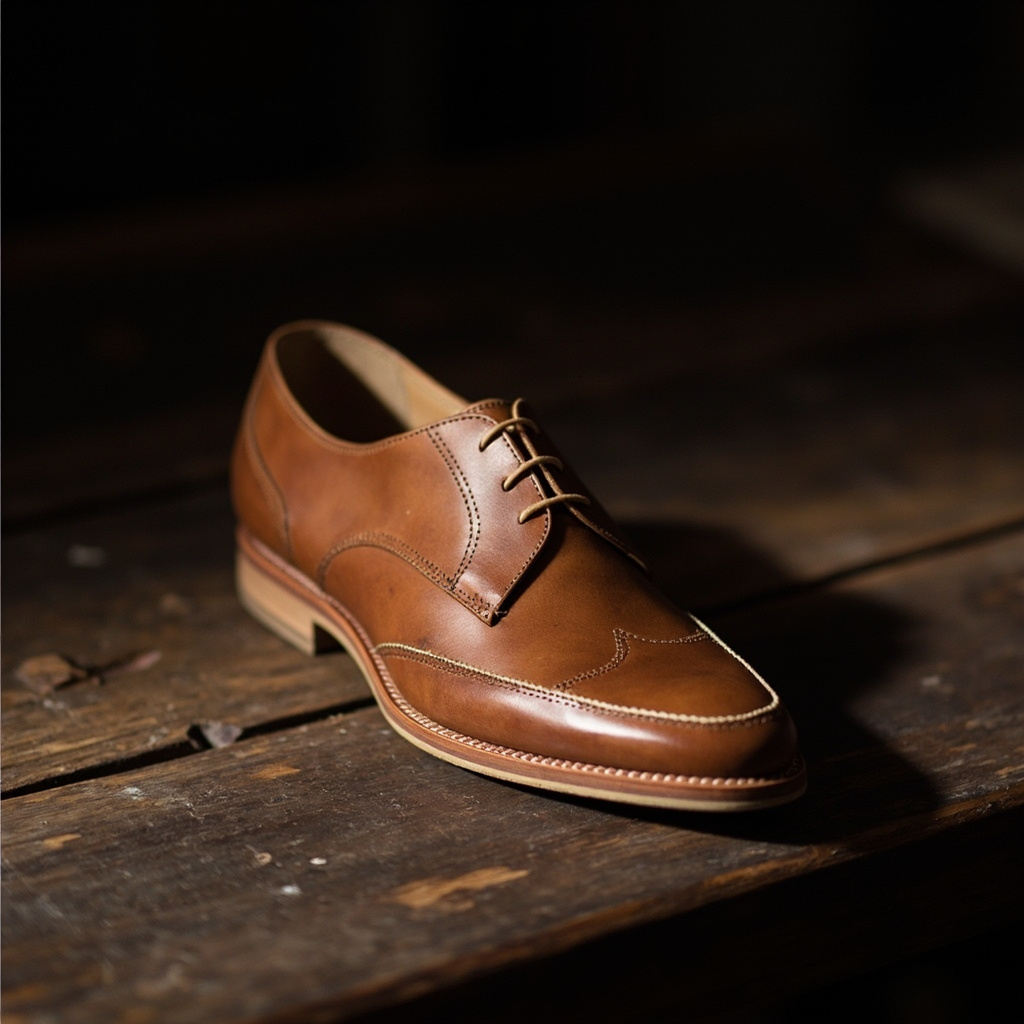
Walk into 10 Chinese factories that advertise "hand-made" shoes. Six will show you a machine doing the work within the first 90 seconds. Three will show you finishing work that looks hand-made but was done by a 4-axis robot arm. One — the one that matters — will show you actual…
Understanding footwear compliance requirements: safety standards, chemical regulations, labeling, and international trade compliance.
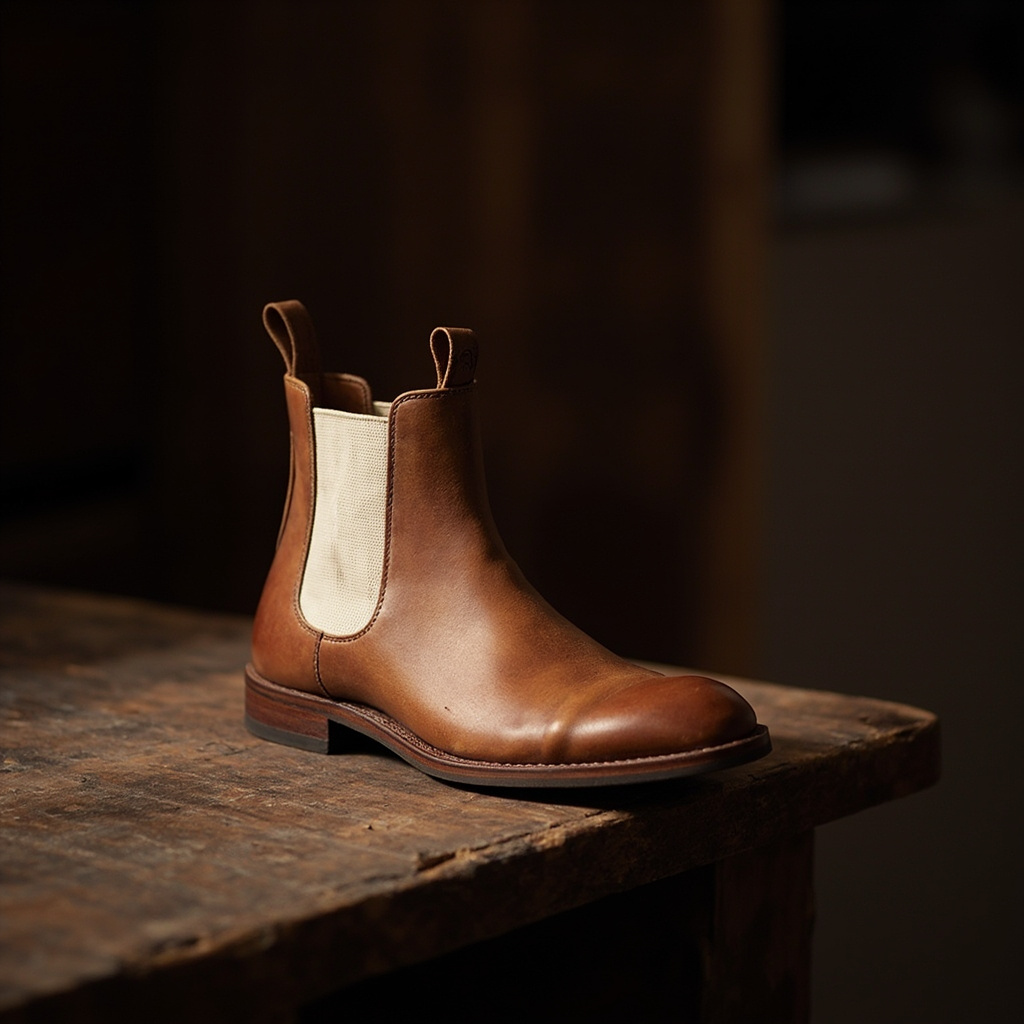
A $25 wholesale Chelsea boot bought by a US retailer in 2026 reaches the consumer at $150–220 — a 6–9x markup. The buyer's $25 is the factory gate price for a boot that costs $7.20 in materials (29%), $9.10 in labor (36%, the highest labor share of any common footwear category)…
A $15 wholesale ballet flat bought by a US retailer in 2026 reaches the consumer at $110–150 — an 8x markup. The buyer's $15 is not the cost basis. The buyer's $15 is the factory gate price. Below the gate, materials absorb 38% of the $15 and labor absorbs another 32%. Above the…
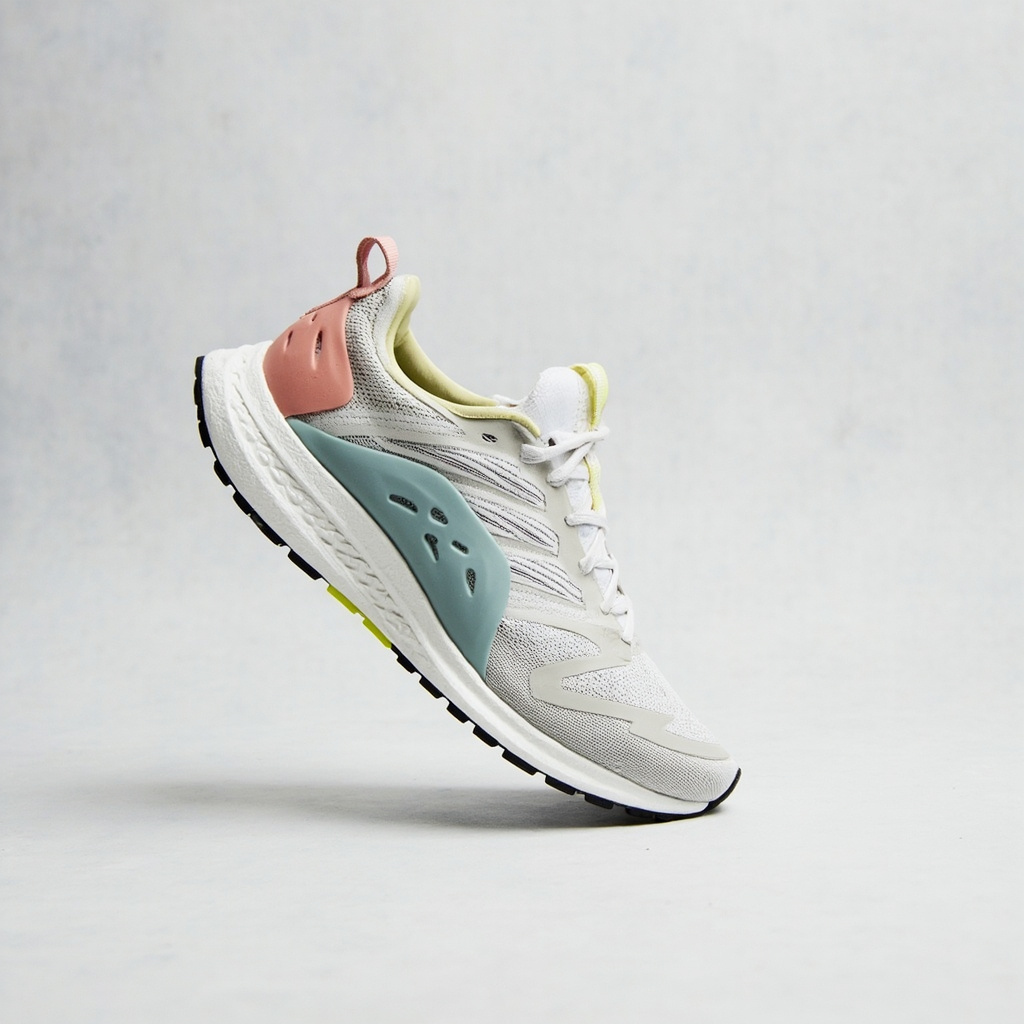
A $12 wholesale running shoe bought by a US retailer in 2026 reaches the consumer at $55–85 — a 4.6–7.1x markup, the lowest in the women's footwear category. The buyer's $12 is the factory gate price for a shoe that costs $3.80 in materials (32%), $2.70 in labor (23%, the lowest…